
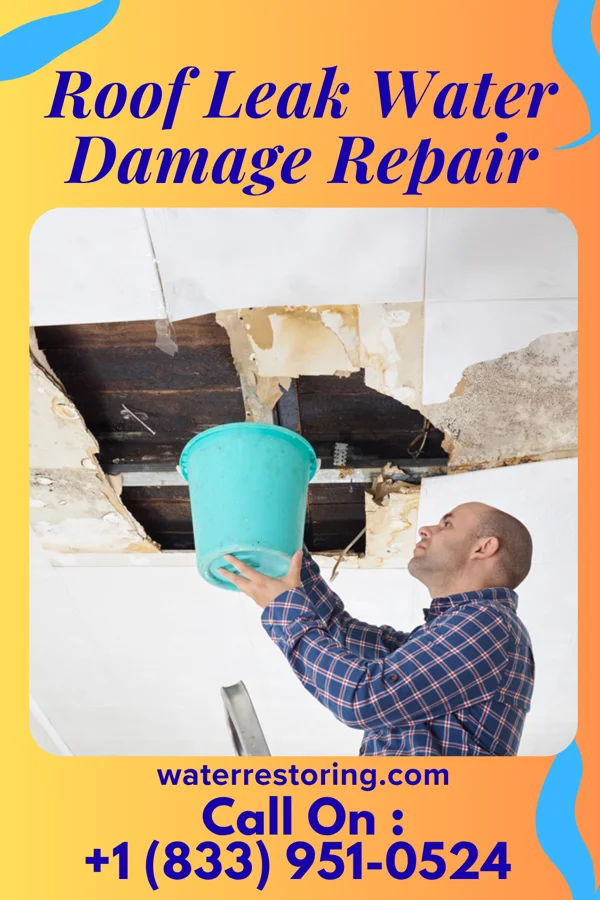
When West Richland Properties Need Roof Leak Repair
Water damage in West Richland usually starts with West Richland experiences frequent rain showers and occasional thunderstorms during the spring and summer months, which can lead to rapid water accumulation on rooftops. The region's proximity to the Columbia River also means that heavy downpours can cause flash flooding, increasing the risk of roof leaks and water damage.. A close second is In the winter, freezing temperatures combined with occasional snowfall can cause ice dams to form along the roof edges, leading to water backup and potential leaks. These conditions are common in West Richland due to its location in a temperate climate with distinct seasonal changes.. Professional restoration follows the IICRC protocol on every job. Assess. Extract. Dry. Sanitize. Document.
West Richland's climate, characterized by high rainfall and temperature fluctuations, contributes to the degradation of roofing materials over time. This leads to common issues such as shingle granule loss, flashing failure, and gutter clogging, which can result in water damage if not addressed promptly.
Water damage in West Richland follows a few local patterns. West Richland experiences frequent rain showers and occasional thunderstorms during the spring and summer months, which can lead to rapid water accumulation on rooftops. The region's proximity to the Columbia River also means that heavy downpours can cause flash flooding, increasing the risk of roof leaks and water damage. accounts for the bulk of our calls. West Richland's climate, characterized by high rainfall and temperature fluctuations, contributes to the degradation of roofing materials over time. This leads to common issues such as shingle granule loss, flashing failure, and gutter clogging, which can result in water damage if not addressed promptly. Mold can begin to grow within 48 hours of water exposure in West Richland due to the region's humidity levels and frequent rainfall. This can lead to secondary damage such as wood rot, structural weakening, and health risks for occupants if not treated promptly.